
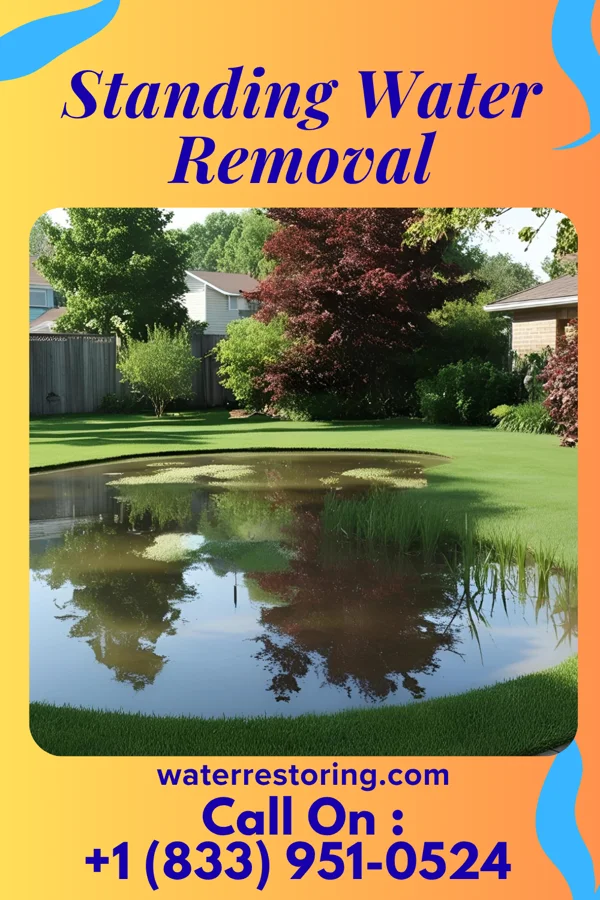
Why Sewickley Hills Standing Water Demands Fast Removal
Most water damage emergencies in Sewickley Hills start with In Sewickley Hills, Pennsylvania, the primary water damage cause is often due to residential plumbing failures, such as burst pipes and leaking water heaters, which are common in older homes. Additionally, heavy rainfall during the spring and early summer months can lead to localized flooding in low-lying areas near Franklin Park and Bell Acres.. A close second is Secondary causes include sewer backups from overwhelmed municipal systems, especially during heavy storms, and roof leaks from aging or improperly maintained structures. These issues are particularly prevalent in the rural areas surrounding Sewickley Heights and can affect both single-family homes and small commercial properties.. From the second water touches the property, every minute changes what gets saved and what gets ripped out.
Sewickley Hills experiences a humid continental climate, which increases the risk of mold growth if water damage is not addressed promptly. The region's frequent spring rains and occasional summer thunderstorms contribute to a higher likelihood of water intrusion in homes and businesses.
Most standing water removal calls in Sewickley Hills come from In Sewickley Hills, Pennsylvania, the primary water damage cause is often due to residential plumbing failures, such as burst pipes and leaking water heaters, which are common in older homes. Additionally, heavy rainfall during the spring and early summer months can lead to localized flooding in low-lying areas near Franklin Park and Bell Acres.. Running a close second is Secondary causes include sewer backups from overwhelmed municipal systems, especially during heavy storms, and roof leaks from aging or improperly maintained structures. These issues are particularly prevalent in the rural areas surrounding Sewickley Heights and can affect both single-family homes and small commercial properties.. Local mold risk: In Sewickley Hills, mold can develop within 48 hours of water exposure, making rapid response critical to prevent long-term health and structural issues. The region's moderate temperatures and high humidity levels accelerate mold growth, especially in older or poorly ventilated homes.
For public guidance on the health effects of mold after prolonged water exposure, see the EPA mold and health page.